Alexandria, VA · Northern Virginia
Thermal Imaging Inspections in Alexandria, VARoof Leak Infrared Detection & Electrical Issue Thermal Scans
Thermal Imaging Inspections in Alexandria covers roof leak infrared detection, electrical issue thermal scans and plumbing leak infrared inspection.
Answered 24/7
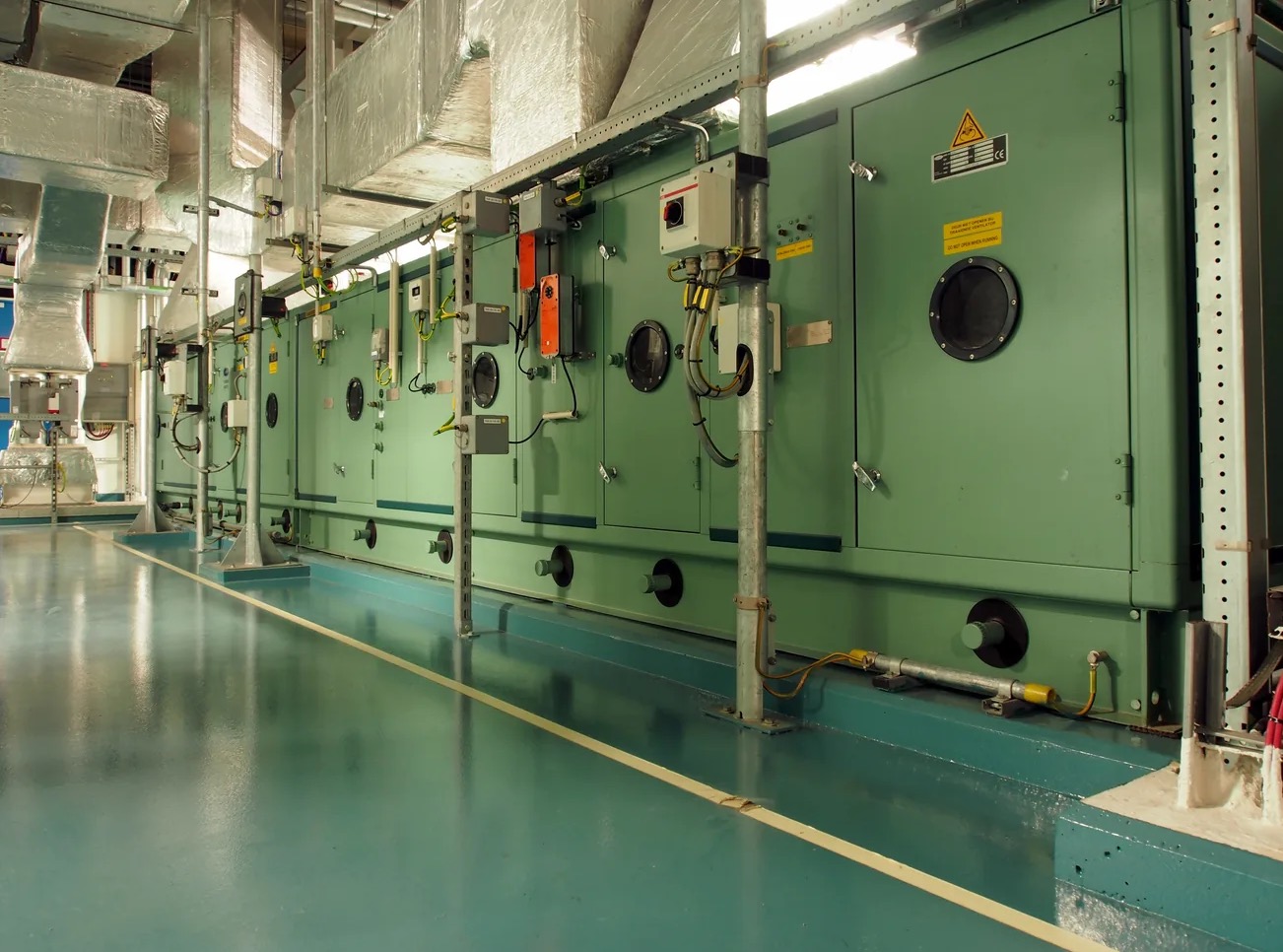
Professional Thermal Imaging Inspections in Alexandria, VA
Plumbing leaks behind walls in Alexandria waste water and damage materials quietly. A thermal camera picks up the temperature change from escaping water to narrow down the leak location.
Thermal home inspections in Alexandria and areas like Rose Hill, Groveton and Hybla Valley reveal insulation gaps and hidden water damage behind walls or under floors. Businesses can schedule scans around operating hours.
Infrared Thermography Inspection Services for Alexandria
Roof Leak Infrared Detection
From inside the attic, pros scan for cooler areas under the roofing that point to trapped water.
Electrical Issue Thermal Scans
Pros compare wiring and panel temperatures to find parts running hotter than normal.
Infrared Mold Inspection Services
Scans show temperature differences from damp materials, and moisture meter readings confirm them.
Insulation Gap Thermal Detection
In Alexandria, pros find gaps around rim joists or behind electrical boxes where air escapes.
Hidden Moisture Damage Scanning
In Alexandria, local thermal inspection experts find damp areas that show no visible signs, so drying can start before rot sets in.
Signs You Need Thermal Imaging Inspection in Alexandria
Condensation on Interior Windows
Heavy condensation on inside windows can point to high humidity and hidden moisture.
Discoloration on Exterior Walls
Dark patches on exterior walls may come from water getting inside the wall.
Roof Stains After a Rainstorm
Water marks on an inside ceiling after rain mean the roof is letting water through.
Persistent Dampness on Floors
A floor area that stays damp hints at a slab or plumbing leak underneath.
How Thermal Imaging Inspections Work in Alexandria
Step 1: Thermal Imaging Home Inspection Setup
Pros prepare the space, sometimes adjusting indoor temperature, and calibrate the camera for accurate scans.
Step 2: Comprehensive Thermal Scan Execution
Walls, ceilings, floors and roof lines are scanned in order to look for water leaks and other issues.
Step 3: Data Interpretation for Problem Diagnosis
Pros separate normal variations from problem patterns like electrical hot spots or energy loss.
Step 4: Actionable Insights and Priority List
Findings become a priority list of repairs so you know which problems to fix first.
Typical Issues Detected by Thermal Imaging Inspections in Alexandria
Inadequate or Settled Insulation
Poorly installed or settled insulation leaves gaps in walls and attics where heat escapes.
Roof Flashing Installation Errors
Poorly sealed flashing around chimneys and vents lets water into the roof.
Concealed Mold Growth From Past Leaks
Old leaks that were never fully dried leave wet materials behind walls.
Window and Door Seal Failure
Worn weatherstripping or caulking lets air and moisture in around windows and doors.
Thermal Imaging Inspections Serving Both Sectors in Alexandria
Residential Thermal Imaging Inspections
Home scans reveal attic moisture from poorly vented bathrooms, insulation voids in vaulted ceilings, slab leaks and drafts.
Commercial Thermal Imaging Inspections
Commercial scans uncover moisture from leaking ice machine lines, condensation inside wall panels and energy loss around dock doors.
Why DIY Falls Short for Thermal Imaging Inspections in Alexandria
Check accessible areas like under sinks for wet spots and look for loose outlet covers. For problems behind walls, under floors or in the attic, call inspectors with thermal cameras.
Pricing Considerations for Thermal Imaging in Alexandria
A full scan of roofing, walls and electrical panels takes more time than a single-area check, which affects the price.
Access Requirements
Scans in attics or crawl spaces may need special equipment or preparation first.
Property Size
Larger homes in Alexandria take more time for a thorough infrared scan of every room.
Follow-up Scans
A second visit to confirm that drying is complete is a separate service call.
Does Insurance Cover Thermal Imaging Inspections?
Whether insurance pays for a scan in Virginia depends on your policy language and the incident. Reports with thermal images serve as evidence, and your insurer decides.
Why Alexandria Properties Need Thermal Inspection Experts for Thermal Imaging Inspections
24/7 Emergency Response
Scans are available around the clock for sudden leaks or suspected hidden moisture.
Detailed Visual Documentation
Clear thermal images give objective records of conditions for repairs or claims.
Non-Invasive Moisture Detection
Scans find hidden moisture behind walls or under floors without cutting into the structure.
24/7 Emergency Thermal Imaging Inspections in Alexandria
Emergency thermal scans are available 24/7 for sudden plumbing failures or hidden water intrusion. For a rapid scan in Alexandria, call (703) 215-4551.
Call Now (703) 215-4551Thermal Imaging Inspections Near Alexandria: Areas Served
In Alexandria and nearby Rose Hill, Groveton and Hybla Valley, local specialists scan roofs, walls and electrical systems to uncover hidden issues.
Thermal Imaging Inspection FAQs
How are electrical issues found with a thermal scan?
Faulty circuits and connections give off extra heat, which shows as bright hot spots on the camera.
Can thermal imaging identify problems with HVAC ductwork?
Yes. It shows leaks, gaps and poor insulation in ducts where conditioned air escapes into attics.
When should I consider a water leak detection thermal scan?
When you see unexplained stains, smell mustiness, notice a higher water bill or hear water running.
How does infrared camera inspection find water leaks?
Wet materials heat and cool differently than dry ones, so they show up as different temperatures on the camera.
Is thermal imaging safe for my home and family?
Yes. The camera only detects heat; it gives off no radiation and does not touch surfaces.