Laurel, MD · Prince George's County
AC Unit Water Removal in Laurel, MDAC Leak Water Extraction & AC Leak Mold Prevention
AC Unit Water Removal in Laurel runs from emergency AC water removal and AC leak water cleanup to air conditioner restoration services.
Answered 24/7
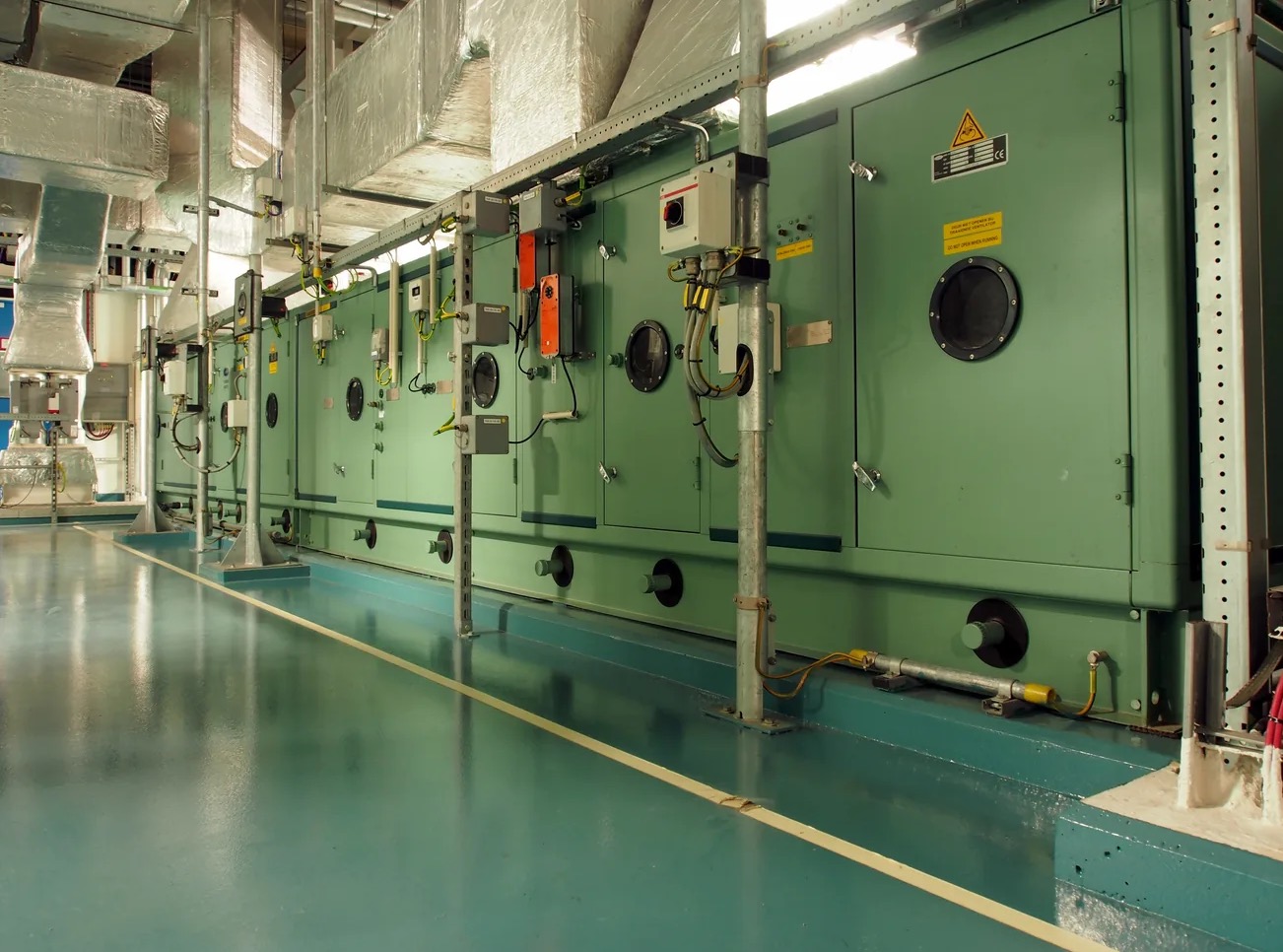
Professional AC Unit Water Removal in Laurel, MD
AC Unit Water Removal in Laurel deals with leaks from air handlers, condensate lines and drain pans. Acting early keeps a minor drip from soaking the insulation, the wall framing and the ceiling directly below the unit.
In Laurel, AC leaks usually show up as ceiling stains under attic units, wet carpet near the furnace closet or water dripping from a vent. Help with AC unit water removal is available across Laurel and in Greenbelt, Columbia and Bowie, day or night, with extraction, drain clearing and drying.
Comprehensive AC Unit Water Removal Solutions in Laurel
AC Leak Water Extraction
Extractors and pumps pull water from carpet, pad and hard floors around the unit, then hidden moisture is mapped in the subfloor.
AC Leak Mold Prevention
Antimicrobial treatment is an add-on step after drying, not a substitute for removing wet materials that cannot be saved.
Emergency AC Water Removal
Help is available day or night for leaks that start after hours, when water dripping from an attic unit cannot wait until morning.
AC Condensate Drain Clearing
A clogged condensate line is the most common reason an AC unit leaks. The pros flush out algae and sludge so condensate drains away again.
AC Drain Pan Water Extraction
A soaked pan in an attic unit is a ceiling leak waiting to happen. Extracting it quickly protects the drywall underneath.
Signs of AC Water Damage Requiring Removal
Reduced Cooling Efficiency
A clogged drain can trip a float switch or starve the coil of airflow, so the system runs longer and cools less.
High Indoor Humidity Levels
Rooms that feel clammy while the AC runs may mean water is not draining and is evaporating back into the air.
AC Drain Pan Overflow
Water at the rim of the drain pan, or in the secondary pan, means the condensate line is blocked.
Musty Odors From Vents
A musty smell when the AC starts often means standing water in the pan or wet insulation in the ducts.
How AC Unit Water Removal Works in Laurel
Step 1: Emergency AC Water Removal
The unit is shut off and standing water is extracted from the drain pan, the floor and any carpet or pad it reached.
Step 2: AC Condensation Line Clearing
The drain line is flushed or vacuumed clear of algae and sludge, so condensate flows outside again.
Step 3: Wet AC Unit Component Drying
Air movers and a dehumidifier dry the cabinet interior and the walls, floor or ceiling around the unit.
Step 4: AC Leak Mold Prevention
Once readings show dry, wood and drywall that stayed wet can be treated with an antimicrobial.
Why AC Units Leak and Need Water Removal
Dirty Air Filters
A clogged filter cuts airflow, which can freeze the coil and cause overflow when it melts.
Damaged AC Drain Pan
Metal pans rust through and plastic pans crack with age, letting water drip straight through.
Disconnected Drain Line
A drain line knocked loose in the attic or closet empties condensate onto the ceiling or floor.
Age and Component Wear
Older units have worn fittings, brittle seals and corroded pans that start leaking together.
AC Unit Water Removal Services for All Properties in Laurel
Residential AC Unit Water Removal
For homeowners, the main risk is water soaking into insulation and drywall where no one sees it. Moisture meters find that hidden water so it can be dried before it causes rot.
Commercial AC Unit Water Removal
For property managers, one leaking unit can affect several suites or the floor below. Each wet area is extracted, dried and documented for the owner and insurer.
AC Unit Water Removal vs. DIY: When to Call the Pros
Box fans move air across a wet surface, but they often leave water trapped in wall cavities and under flooring. Professional drying uses moisture readings to confirm the hidden areas behind walls and under floors are dry too.
What Affects AC Unit Water Removal Expense in Laurel
After-hours calls, the number of rooms affected, the drying time and any drywall or ceiling repairs all change the total for AC unit water removal in Laurel.
Required Drying Time
Dense materials and enclosed spaces take longer to dry, which means more equipment days.
Documentation Needs
Detailed photos and moisture logs for an insurance claim add some time to the job.
Emergency Service Timing
After-hours and holiday response can cost more than a scheduled weekday visit.
Does Insurance Cover AC Unit Water Removal?
Coverage for AC unit water removal varies from policy to policy. The pros document the damage and the drying, but your insurer decides what is covered and what is not, so ask early in the claim.
Reasons to Select Local Pros in Laurel for AC Unit Water Removal
24/7 Emergency Response
Help is available any hour, which matters when an attic unit starts leaking into a ceiling at night.
Leak Source Identification
The pros trace the leak to its source, whether that is a clog, a cracked pan or a failed pump.
Preventative Microbial Treatment
Optional antimicrobial treatment can be applied to wood and drywall that stayed wet for days.
24/7 AC Unit Water Removal for Emergencies in Laurel
Water from an air handler spreads fast through drywall and carpet. Call (703) 215-4551 for emergency AC unit water removal in Laurel at any time of the day or night.
Call Now (703) 215-4551AC Unit Water Removal Available in Laurel and Surrounding Towns
Help with AC unit water removal reaches Greenbelt, Columbia and Bowie, plus other communities around Laurel, for houses, apartments and commercial buildings with leaking AC units.
- AC Unit Water Removal in Greenbelt
- AC Unit Water Removal in Columbia
- AC Unit Water Removal in Bowie
- AC Unit Water Removal in Odenton
- AC Unit Water Removal in College Park
- AC Unit Water Removal in Silver Spring
- AC Unit Water Removal in Crofton
- AC Unit Water Removal in Ellicott City
- Emergency Damage Restoration in 20707
- Storm Damage Restoration in 20707
- Water Damage Restoration in 20707
- Water Extraction Service in 20707
- Water Leak Detection in 20707
- Water Removal Service in 20707
- Emergency Damage Restoration in 20708
- Storm Damage Restoration in 20708
Common AC Unit Water Removal Questions Answered
Does homeowners insurance cover water damage from an HVAC unit?
Sudden leaks are often covered, but slow leaks and the unit itself usually are not. Check your policy.
What happens if I ignore a drain pan overflow?
The leak keeps wetting the same materials, which can lead to rot, ceiling damage and microbial growth.
Why does the drain pan need to be emptied?
A full pan overflows into ceilings and floors. Emptying and inspecting it stops the spill and shows whether the pan is cracked.
What clogs an AC condensate line?
Algae, sludge, dust and debris build up inside the line, especially over long cooling seasons, until water backs up into the pan.
Can an AC condensation leak damage the ceiling?
Yes. Attic units leak straight into the drywall below, causing stains, sagging and eventually collapse if left alone.