Greenbriar, VA · Fairfax County
Attic Water Removal in Greenbriar, VAWet Attic Insulation Removal & Emergency Attic Water Extraction
Attic Water Removal in Greenbriar includes emergency attic water extraction, ceiling water damage cleanup and attic drying services after a leak.
Answered 24/7
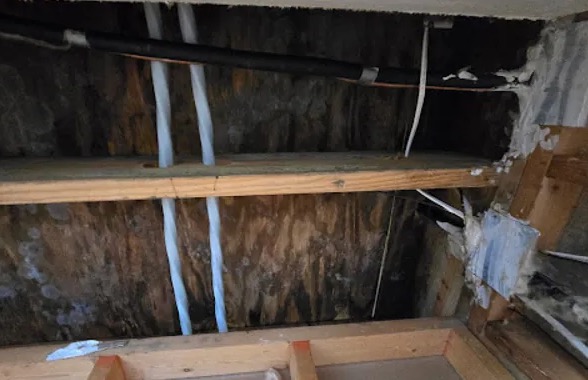
Local Attic Water Removal Solutions in Greenbriar
Attic Water Removal in Greenbriar is about protecting the ceiling. Water on top of drywall soaks in and adds weight, and wet insulation keeps it soaking long after the leak stops.
Homeowners in Greenbriar can call (703) 215-4551 day or night when water starts coming through the ceiling. Service also covers Fair Oaks, Chantilly and Centreville, with the same inspection and drying steps.
Attic Water Removal Services in Greenbriar
Wet Attic Insulation Removal
Only the wet sections come out. The edges of the wet area are checked with a meter so dry insulation is not removed by mistake.
Emergency Attic Water Extraction
Emergency extraction starts with buckets and containment under active drips, then moves to pulling pooled water off the attic floor.
Ceiling Water Damage Cleanup
Fallen drywall, wet insulation and debris in the room below are cleaned up, and floors and furniture are protected during the work.
Attic Mold Prevention
After drying, wood that was wet for more than a day or two can be treated with an antimicrobial to slow microbial growth.
Attic Leak Water Cleanup
The leak is stopped or tarped first, then water on the attic floor, on top of the drywall and around ducts and wiring is removed with wet vacs.
Symptoms Requiring Attic Water Removal in Greenbriar
Water Dripping From Light Fixtures
Water dripping from a ceiling light or fan means an active leak above. Turn off that circuit.
Increased Indoor Humidity Levels
Upstairs rooms that feel sticky or humid may have moisture coming down from the attic.
Sagging or Bubbling Ceiling Drywall
Ceiling drywall that sags, bulges or bubbles at the seams is holding water and may fall.
Visible Mold in Attic Spaces
Dark spots on rafters or roof decking mean the wood has stayed damp for days or longer.
How Attic Water Removal Works in Greenbriar
Step 1: Containment and Safety Setup
Power to wet fixtures is shut off and plastic sheeting protects the room below.
Step 2: Roof Leak Water Removal and Cleanout
Rainwater is removed, a tarp is placed over roof damage, and wet debris is cleared.
Step 3: Moisture Evaporation and Attic Drying
Equipment runs on safe footing in the attic, with readings checked each day.
Step 4: Validation of Dry Conditions
Final readings are compared to dry areas to confirm the attic is ready for new insulation.
Why Attics Develop Water Damage
Ice Dam Formation on Roof Edges
Ice dams at the roof edge force melting snow back under shingles and into the attic.
HVAC System Leaks or Drain Pan Overflow
An attic air handler overflows when its condensate line clogs or the drain pan cracks.
Storm Damage From High Winds or Hail
High winds and hail can damage shingles and open the roof to rain during a storm.
Overflow From Clogged Bathroom Exhaust Ducts
Bathroom fan ducts that are loose or vented into the attic release moisture onto the wood.
Residential and Commercial Attic Water Removal in Greenbriar
Residential Attic Water Removal
In townhomes and condos, a shared attic can carry water into a neighbor's ceiling. Clear photos and readings help sort out repairs with the association.
Commercial Attic Water Removal
Property managers get records for each affected suite or unit, which helps with roof repair planning and insurance claims.
Attic Water Removal vs. DIY: When to Call the Pros
If you can do it safely, look into the attic with a flashlight to find the wet area. Removing soaked insulation and drying the framing needs boards, protective gear and equipment.
Understanding Attic Water Removal Pricing
An attic leak handled the same day in Greenbriar usually costs less than one left until the ceiling sags and has to be torn out.
Drying Time Required
Dense wood framing can take several days to dry, which adds equipment time.
Water Contamination Level
Clean rainwater is simpler to handle than water from a drain line or other dirty source.
Type of Insulation Affected
Blown-in insulation takes more time to remove than batts, and both add disposal costs.
Does Insurance Cover Attic Water Removal?
Coverage for attic water removal depends on the cause and your policy terms. The pros document the damage and drying, and your insurer decides what is covered.
Benefits of Local Pros for Attic Water Removal
Controlled Demolition Practices
Only wet insulation and drywall are removed, which keeps the repair as small as possible.
Post-Cleanup Verification
Final readings confirm the attic is dry before new insulation goes in.
Damage Documentation
Photos, readings and a list of removed materials are kept for insurance.
24/7 Attic Water Removal Response in Greenbriar
Water in an attic reaches the ceiling below fast. Call (703) 215-4551 for attic water removal in Greenbriar at any hour, including storms and holidays.
Call Now (703) 215-4551Attic Water Removal Service Area Around Greenbriar
Besides Greenbriar, local attic drying specialists remove attic water, wet insulation and soaked ceiling drywall in nearby Fair Oaks, Chantilly and Centreville.
Attic Water Removal FAQs
What should I do while waiting for attic leak water cleanup?
Catch drips, move belongings, stay out from under sagging ceilings and turn off power to wet light fixtures.
What causes attic water damage?
Roof leaks, plumbing failures, attic AC overflows, water heater leaks, loose bath fan ducts and poor ventilation.
What happens during wet attic cleanup?
Water, wet insulation and debris are removed, stored items are moved out and the attic floor is cleaned before drying.
Is attic flood cleanup different from a small leak?
The steps are the same, but a flooded attic needs more extraction, more insulation removal and usually ceiling replacement.
What is involved in attic water removal?
Stopping the source, removing pooled water, bagging wet insulation, drying the framing and decking, and checking the ceiling below.