North Springfield, VA · Fairfax County
Attic Water Removal in North Springfield, VACeiling Water Damage Cleanup & Attic Drying Services
Attic Water Removal in North Springfield covers attic leak water cleanup, roof leak water removal and wet attic insulation removal.
Answered 24/7
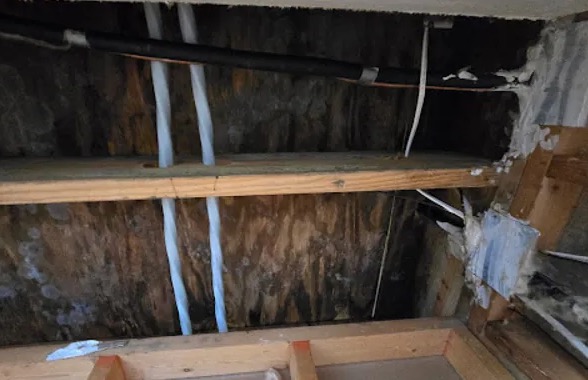
Attic Water Removal Services for North Springfield Homes
Attic Water Removal in North Springfield covers both the attic and the room below. Water rarely stays on the attic floor; it soaks the ceiling and sometimes runs down the walls.
In North Springfield, attic water calls often start with a ceiling stain after heavy rain or a dripping AC drain. Local water extraction specialists serve North Springfield, Springfield, Kings Park and West Springfield, removing water and wet insulation and drying the attic.
Attic Water Removal Services in North Springfield
Ceiling Water Damage Cleanup
After the ceiling cavity is dry, the opening is ready for new drywall, tape and paint.
Attic Drying Services
Air movers and dehumidifiers are placed on boards across the joists so they can run safely without stressing the drywall.
Attic Moisture Inspection
Moisture meters and thermal cameras check rafters, decking, insulation and the ceiling below, even in spots that look dry.
Wet Attic Insulation Removal
Insulation that got soaked is removed from the wet bays and bagged. Leaving it in place keeps the ceiling drywall damp for weeks.
Roof Leak Water Removal
A temporary tarp over the damaged section keeps more rain out until the roofer can make a permanent repair.
Warning Signs You Need Attic Water Removal
Rotting Wood on Attic Beams
Soft, dark or crumbling wood on rafters and beams points to long-term moisture.
Musty Odors in Your Home
A musty smell upstairs or at the attic hatch often points to wet insulation or damp wood above.
Increased Indoor Humidity Levels
Upstairs rooms that feel sticky or humid may have moisture coming down from the attic.
Visible Mold in Attic Spaces
Dark spots on rafters or roof decking mean the wood has stayed damp for days or longer.
How Attic Water Removal Works in North Springfield
Step 1: Initial Attic Water Damage Assessment
The pros check safety, find the source and map the wet area with moisture meters.
Step 2: Bulk Water and Material Removal
Pooled water, soaked insulation and any sagging drywall are removed from the attic and ceiling.
Step 3: Attic Drying and Evaporation
Warm, dry airflow is aimed at wet wood, with dehumidifiers removing the moisture it releases.
Step 4: Attic Mold Prevention
Once dry, decking and framing that stayed wet can be cleaned and treated with an antimicrobial.
Frequent Sources of Attic Water Damage in North Springfield
Burst or Leaking Plumbing Pipes
Supply lines and drain pipes in the attic can crack or burst onto the ceiling.
Flashing Failures Around Roof Penetrations
Failed flashing around vents, chimneys and skylights lets rain run into the attic.
Overflow From Clogged Bathroom Exhaust Ducts
Bathroom fan ducts that are loose or vented into the attic release moisture onto the wood.
Storm Damage From High Winds or Hail
High winds and hail can damage shingles and open the roof to rain during a storm.
Both Residential & Commercial Attic Water Removal
Residential Attic Water Removal
In houses, attic water usually reaches a bedroom or hallway ceiling. Water and wet insulation are removed from above, and the ceiling below is dried or replaced.
Commercial Attic Water Removal
In commercial buildings, water above a drop ceiling soaks tiles and insulation over several rooms. Wet tiles are removed and the plenum space above is dried.
Attic Water Removal vs. DIY: When to Call the Pros
If you can do it safely, look into the attic with a flashlight to find the wet area. Removing soaked insulation and drying the framing needs boards, protective gear and equipment.
Estimating Attic Water Removal Expenses in North Springfield
The cost of attic water removal in North Springfield depends on how far the water spread, how much insulation is wet and whether ceiling drywall below must be replaced.
Drying Time Required
Dense wood framing can take several days to dry, which adds equipment time.
Secondary Damage Repairs
Ceiling drywall replacement and paint in the room below add to the total.
Extent of Water Damage
A leak confined to one bay costs less than water spread across the attic and the rooms below.
Does Insurance Cover Attic Water Removal?
Photograph the attic, the ceiling and any roof damage before cleanup, and keep receipts for tarping and emergency water removal.
Advantages of Hiring Local Pros for Attic Water Removal in North Springfield
Damage Documentation
Photos, readings and a list of removed materials are kept for insurance.
Source Identification
The pros trace the water to its source and note it for the roofer or plumber.
Controlled Demolition Practices
Only wet insulation and drywall are removed, which keeps the repair as small as possible.
Round-the-Clock Attic Water Removal for North Springfield
Water dripping through your ceiling in North Springfield? Put a bucket under it, move belongings and call (703) 215-4551. Attic water removal is available 24/7.
Call Now (703) 215-4551Local Attic Water Removal Coverage Area
Help with attic water removal reaches Springfield, Kings Park and West Springfield, plus other communities around North Springfield, for one-story and two-story homes alike.
Common Attic Water Removal Queries Answered
What is an attic moisture inspection?
A check of rafters, decking, insulation and the ceiling below with moisture meters and thermal cameras to find all wet areas.
Can I remove attic water myself?
Only small amounts that are easy to reach safely. Pooled water and soaked insulation need safe footing and drying equipment.
Can wet attic insulation be saved?
Lightly damp areas sometimes dry, but soaked or matted insulation is usually removed and replaced after the attic dries.
Is attic flood cleanup different from a small leak?
The steps are the same, but a flooded attic needs more extraction, more insulation removal and usually ceiling replacement.
Why is emergency attic drying important?
Wet wood and drywall break down quickly. Drying fast saves more of the ceiling and lowers the risk of microbial growth.