Lincolnia, VA · Fairfax County
Basement Water Damage Restoration in Lincolnia, VAEmergency Basement Flood Cleanup & Basement Drying Services
Basement Water Damage Restoration in Lincolnia runs from basement water extraction and basement floor water removal to basement dehumidification.
Answered 24/7
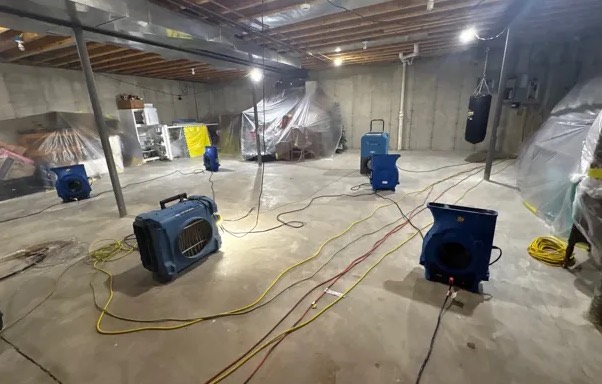
Local Basement Water Damage Restoration Near Lincolnia
Basement Water Damage Restoration in Lincolnia usually involves two parts: the emergency work of removing water and the slower work of drying a below-grade space. Both matter for keeping repairs small.
Homeowners in Lincolnia can call (703) 215-4551 day or night when water is rising in the basement. Service also covers Annandale, North Springfield and Seven Corners, with the same pumping and drying steps.
The Basement Water Damage Restoration Process in Lincolnia
Emergency Basement Flood Cleanup
Help is available any hour when water is rising in the basement from a burst pipe, a sewer backup or heavy rain.
Basement Drying Services
Drying a basement takes longer than drying an upper floor because the air is cool and the concrete holds moisture.
Basement Sewer Backup Cleanup
Porous materials touched by sewage, such as carpet, pad and lower drywall, are removed. Concrete and framing are cleaned and disinfected.
Basement Water Extraction
Basement water is removed before drying starts, because every gallon left behind keeps the walls and air damp.
Basement Mold Prevention
Keeping basement humidity low after drying helps prevent mold from returning, especially in finished spaces.
Indicators for Basement Water Damage Restoration in Lincolnia
Efflorescence on Concrete Walls
White, chalky deposits on concrete walls mean water is moving through the concrete and leaving minerals behind.
Condensation on Windows or Pipes
Water beading on cold pipes or basement windows shows high humidity that keeps materials damp.
High Humidity Levels Below-Grade
A basement that stays damp and clammy even on dry days has a moisture source that needs attention.
Rusted Appliances or Pipes
Rust on the water heater, furnace base or pipes points to repeated moisture or past flooding.
How Basement Water Damage Restoration Works in Lincolnia
Step 1: Floodwater Pump-Out
Submersible pumps remove deep water, and electrical hazards are checked before anyone walks in it.
Step 2: Deep Moisture Extraction
Extractors pull water from carpet, pad and the concrete floor after the deep water is gone.
Step 3: Air Circulation and Drying
Air movers keep dry air moving across walls and floors throughout the basement.
Step 4: Dehumidification and Verification
Dehumidifiers run until humidity and material readings confirm the basement is dry.
Why Basement Water Damage Occurs in Lincolnia
Stormwater Runoff Into Lower Levels
Heavy rain running off hard ground or a sloped yard can pour down stairwells and under doors into below-grade rooms.
Sump Pump Mechanical Failure
A sump pump that fails, loses power or is too small lets groundwater rise into the basement.
Foundation Cracks and Leaks
Cracks in foundation walls let groundwater and melting snow seep into the basement.
Clogged Floor Drains
A floor drain blocked by debris cannot carry off water from a leak or overflow, so it spreads across the basement floor.
Basement Water Damage Restoration for All Properties in Lincolnia
Residential Basement Water Damage Restoration
Finished basements used as living space need carpet, pad and lower drywall checked carefully. Soaked materials are removed so the walls and slab can dry.
Commercial Basement Water Damage Restoration
Businesses with below-grade storage need inventory moved out of the water quickly. Wet stock is separated and documented for insurance.
Basement Water Damage Restoration vs. DIY: When to Call the Pros
Keeping gutters and downspouts clear and checking water heater and washer hoses are good DIY steps before storm season. Once water is on the floor, call (703) 215-4551.
What Influences Basement Water Damage Restoration Cost in Lincolnia
Sewage cleanup, finished walls, storm-night calls and damaged appliances all add to the total for basement water damage restoration in Lincolnia.
Dehumidification Needs
Large dehumidifiers may need to run longer in below-grade spaces than in upper floors.
Water Category
Clean water costs less to handle than sewage, which needs protective gear, removal and disinfection.
Secondary Damage
Damage to furnaces, water heaters and belongings adds repair and replacement costs.
Does Insurance Cover Basement Water Damage Restoration?
Flood damage from rising outside water usually needs flood insurance. Water from inside the home, like a broken pipe, is more often covered.
Reasons to Hire Local Pros for Basement Water Damage Restoration in Lincolnia
Water Type Handling
Clean water, gray water and sewage are each handled with the right protection and removal steps.
Industry Drying Standards
Drying follows industry water damage standards, with readings taken at every visit.
Detailed Documentation
Photos, readings and drying logs are kept to support your insurance claim.
Emergency Basement Water Damage Restoration Available in Lincolnia
Water rising in your basement in Lincolnia? Shut off power to the basement if it is safe, move what you can and call (703) 215-4551. Help is available 24/7.
Call Now (703) 215-4551Local Basement Water Damage Restoration Coverage: Lincolnia and Beyond
Need basement water damage restoration outside Lincolnia? Service also covers Annandale, North Springfield and Seven Corners, including emergency help during storms.
- Basement Water Damage Restoration in Annandale
- Basement Water Damage Restoration in North Springfield
- Basement Water Damage Restoration in Seven Corners
- Basement Water Damage Restoration in Springfield
- Basement Water Damage Restoration in Rose Hill
- Basement Water Damage Restoration in Falls Church
- Basement Water Damage Restoration in Arlington
- Basement Water Damage Restoration in Groveton
- Emergency Damage Restoration in 22312
- Storm Damage Restoration in 22312
- Water Damage Restoration in 22312
- Water Extraction Service in 22312
- Water Leak Detection in 22312
- Water Removal Service in 22312
FAQ for Basement Water Damage Restoration in Lincolnia
How is basement restoration documented for insurance?
With photos of the water level and damage, moisture readings, a list of removed materials and daily drying logs.
What equipment is used for below-grade water damage repair?
Submersible pumps, extractors, air movers, large dehumidifiers, moisture meters and air scrubbers for dust and odor.
How long does below-grade drying take after a flood?
Often several days or longer, since concrete and cool basement air dry slowly. Daily readings show progress.
What causes the most common below-grade leaks in homes?
Sump pump failures, foundation cracks, clogged drain tile, sewer backups and burst pipes in the basement ceiling.
How is basement sewer backup cleanup different from regular flooding?
Sewage carries bacteria, so it needs protective gear, removal of porous materials and disinfection before drying.