Montclair, VA · Prince William County
Basement Water Damage Restoration in Montclair, VABasement Water Extraction & Basement Floor Water Removal
Basement Water Damage Restoration in Montclair includes emergency basement flood cleanup, basement sewer backup cleanup and basement wall drying.
Answered 24/7
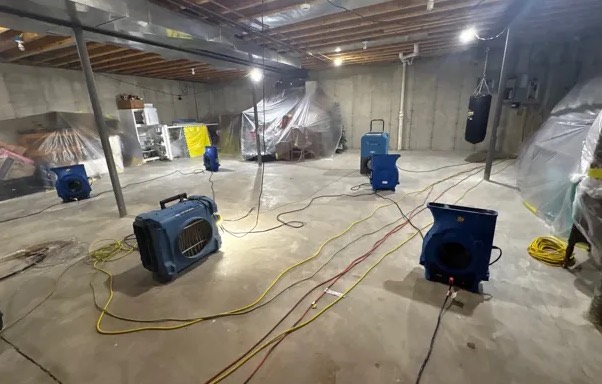
Expert Basement Water Damage Restoration Serving Montclair
Basement Water Damage Restoration in Montclair covers finished and unfinished basements. A bare concrete basement can often be pumped and dried. A finished one usually needs carpet, pad and lower drywall removed so the walls and slab can dry.
One burst pipe or heavy storm in Montclair can flood a basement. Local water damage pros serve Montclair and nearby Dale City, Dumfries and Woodbridge, with help available around the clock.
The Basement Water Damage Restoration Process in Montclair
Basement Water Extraction
Extraction starts at the lowest point, often near the floor drain or sump, and works outward until no pooled water remains.
Basement Floor Water Removal
Wet carpet pad is removed from basement floors, since it holds water against the concrete and dries poorly.
Basement Mold Prevention
After drying, an antimicrobial can be applied to framing and concrete that were wet, to slow mold on surfaces that stay in place.
Emergency Basement Flood Cleanup
A flooded basement can damage furnaces, water heaters and stored items quickly. Fast pumping limits how much is lost.
Basement Sewer Backup Cleanup
Sewage that backs up through a floor drain or toilet is extracted with protective gear, and the area is contained from the rest of the house.
Signs of Basement Water Damage in Montclair
Sewage Odors or Backups
Sewage smells or water coming up through a floor drain mean the sewer line is backing up.
Standing Water in the Basement
Any standing water on the basement floor needs pumping right away, before it soaks walls and framing.
Mold on Surfaces
Dark spots on drywall, framing or stored boxes mean the area has stayed wet for days.
Condensation on Windows or Pipes
Water beading on cold pipes or basement windows shows high humidity that keeps materials damp.
How Basement Water Damage Restoration Works in Montclair
Step 1: Source Control and Extraction
The pipe is shut off, the sump restarted or the backup stopped, then the water is pumped out.
Step 2: Structural Drying Setup
Lower drywall is removed where soaked, and equipment is placed to dry wall cavities and the slab.
Step 3: Contaminant Removal
Materials touched by sewage or dirty water are removed and hard surfaces are cleaned and disinfected.
Step 4: Monitoring and Completion
Daily readings track drying until every material is normal, then equipment is removed.
Frequent Sources of Water Damage in Montclair
Stormwater Runoff Into Lower Levels
Heavy rain running off hard ground or a sloped yard can pour down stairwells and under doors into below-grade rooms.
Faulty Basement Waterproofing
Old or failed waterproofing on foundation walls lets water through during wet weather.
Foundation Cracks and Leaks
Cracks in foundation walls let groundwater and melting snow seep into the basement.
High Water Table and Hydrostatic Pressure
A high water table pushes groundwater up through the slab and into the joints between wall and floor.
Residential and Commercial Basement Water Damage Restoration in Montclair
Residential Basement Water Damage Restoration
A sewer backup in a home basement needs contaminated carpet, pad and drywall removed and every hard surface disinfected before drying.
Commercial Basement Water Damage Restoration
In restaurants and stores with basements, sewage backups need fast containment so contamination does not reach food or customer areas.
Basement Water Damage Restoration vs. DIY: When to Call the Pros
If a small leak left a puddle on bare concrete, a wet vac and a dehumidifier may be enough. Call local water damage pros if water reached drywall, carpet or framing, or if it came from a sewer drain.
Basement Water Damage Restoration Cost in Montclair, VA
Sewage cleanup, finished walls, storm-night calls and damaged appliances all add to the total for basement water damage restoration in Montclair.
Material Saturation
Finished basements with carpet, drywall and insulation take more removal work than bare concrete.
Affected Square Footage
Larger basements need more extraction, more drying equipment and more days of drying time.
Drying Time Required
Basements dry slowly, and longer drying means more equipment days and monitoring visits.
Does Insurance Cover Basement Water Damage Restoration?
Photograph the water level, damaged belongings and appliances before cleanup starts, and keep receipts for emergency pumping and drying to send to your insurer.
Advantages of Hiring Local Pros in Montclair for Basement Water Damage Restoration
Structural Integrity Assessment
Walls, stairs and framing are checked for damage before work begins in the basement.
Mold Prevention Focus
Fast drying is the main way to limit microbial growth in a below-grade space.
Detailed Documentation
Photos, readings and drying logs are kept to support your insurance claim.
Round-the-Clock Emergency Basement Water Damage Restoration in Montclair
Every hour of standing water in a basement means more drywall and flooring to replace. Call (703) 215-4551 for basement water damage restoration in Montclair.
Call Now (703) 215-4551Regions Served for Basement Water Damage Restoration Near Montclair
Need basement water damage restoration outside Montclair? Service also covers Dale City, Dumfries and Woodbridge, including emergency help during storms.
- Basement Water Damage Restoration in Dale City
- Basement Water Damage Restoration in Dumfries
- Basement Water Damage Restoration in Woodbridge
- Basement Water Damage Restoration in Triangle
- Basement Water Damage Restoration in Lake Ridge
- Basement Water Damage Restoration in Quantico
- Basement Water Damage Restoration in Lorton
- Basement Water Damage Restoration in Stafford
Basement Water Damage Restoration Common Questions Answered
What is the priority during emergency basement flood cleanup?
Safety first, especially electrical hazards, then stopping the source and pumping out the water as quickly as possible.
What does below-grade moisture removal include beyond pumping?
Extracting carpet and pad, opening wet walls, running air movers and dehumidifiers, and checking readings until dry.
What is involved in basement water damage restoration?
Pumping out water, removing soaked materials, cleaning contaminated areas, drying walls, framing and concrete, and dehumidifying until readings are normal.
How is basement restoration documented for insurance?
With photos of the water level and damage, moisture readings, a list of removed materials and daily drying logs.
What causes the most common below-grade leaks in homes?
Sump pump failures, foundation cracks, clogged drain tile, sewer backups and burst pipes in the basement ceiling.