Sterling, VA · Loudoun County
Basement Water Damage Restoration in Sterling, VABasement Floor Water Removal & Basement Water Extraction
Basement Water Damage Restoration in Sterling includes emergency basement flood cleanup, basement sewer backup cleanup and basement wall drying.
Answered 24/7
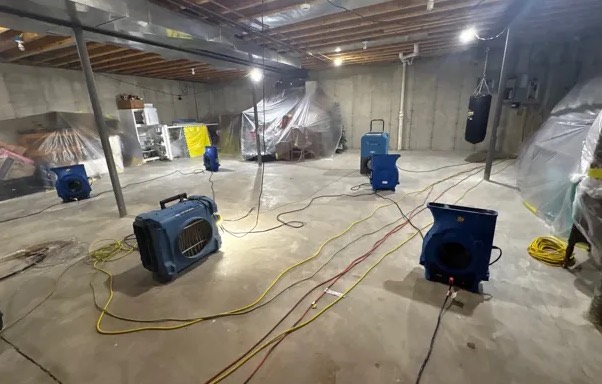
Basement Water Damage Restoration for Sterling Homes
Sewage backups are one of the most common problems in any basement or lower level, including in Sterling. Water coming up through a floor drain or basement toilet carries bacteria and needs a different cleanup than clean water.
Homeowners in Sterling can call (703) 215-4551 day or night when water is rising in the basement. Service also covers Herndon, Cascades and Lowes Island, with the same pumping and drying steps.
The Basement Water Damage Restoration Process in Sterling
Basement Floor Water Removal
Water on a concrete floor is squeegeed and extracted, and floor coverings such as carpet, vinyl or laminate are lifted to dry the slab.
Basement Water Extraction
Submersible pumps remove deep standing water, then portable extractors pull water from carpet, pad and the concrete floor.
Basement Wall Drying
Concrete and block walls are dried with directed airflow and dehumidifiers, and checked with meters until readings drop.
Basement Mold Prevention
After drying, an antimicrobial can be applied to framing and concrete that were wet, to slow mold on surfaces that stay in place.
Basement Drying Services
Drying a basement takes longer than drying an upper floor because the air is cool and the concrete holds moisture.
When to Consider Basement Water Damage Restoration for Your Sterling Home
Damp or Musty Odors
A damp, earthy or musty smell in the basement often means hidden moisture in walls, carpet or the slab.
Standing Water in the Basement
Any standing water on the basement floor needs pumping right away, before it soaks walls and framing.
Efflorescence on Concrete Walls
White, chalky deposits on concrete walls mean water is moving through the concrete and leaving minerals behind.
High Humidity Levels Below-Grade
A basement that stays damp and clammy even on dry days has a moisture source that needs attention.
How Basement Water Damage Restoration Works in Sterling
Step 1: Source Control and Extraction
The pipe is shut off, the sump restarted or the backup stopped, then the water is pumped out.
Step 2: Structural Drying Setup
Lower drywall is removed where soaked, and equipment is placed to dry wall cavities and the slab.
Step 3: Contaminant Removal
Materials touched by sewage or dirty water are removed and hard surfaces are cleaned and disinfected.
Step 4: Monitoring and Completion
Daily readings track drying until every material is normal, then equipment is removed.
Common Causes of Water Damage in Sterling
Overland Flooding From Storms
Heavy storms and snowmelt can send surface water into basements through doors and walls.
High Water Table and Hydrostatic Pressure
A high water table pushes groundwater up through the slab and into the joints between wall and floor.
Plumbing Pipe Bursts or Leaks
Supply lines and drain pipes in basement ceilings can crack or burst onto the floor below.
Faulty Basement Waterproofing
Old or failed waterproofing on foundation walls lets water through during wet weather.
Both Residential & Commercial Basement Water Damage Restoration in Sterling
Residential Basement Water Damage Restoration
Finished basements used as living space need carpet, pad and lower drywall checked carefully. Soaked materials are removed so the walls and slab can dry.
Commercial Basement Water Damage Restoration
Businesses with below-grade storage need inventory moved out of the water quickly. Wet stock is separated and documented for insurance.
Professional Basement Water Damage Restoration or DIY in Sterling?
Keeping gutters and downspouts clear and checking water heater and washer hoses are good DIY steps before storm season. Once water is on the floor, call (703) 215-4551.
Cost Considerations for Basement Water Damage Restoration in Sterling
The cost of basement water damage restoration in Sterling depends on how much water there is, whether it is clean or sewage and how much finished material must be removed.
Secondary Damage
Damage to furnaces, water heaters and belongings adds repair and replacement costs.
Dehumidification Needs
Large dehumidifiers may need to run longer in below-grade spaces than in upper floors.
Water Category
Clean water costs less to handle than sewage, which needs protective gear, removal and disinfection.
Does Insurance Cover Basement Water Damage Restoration?
Flood damage from rising outside water usually needs flood insurance. Water from inside the home, like a broken pipe, is more often covered.
Reasons to Hire Local Pros for Basement Water Damage Restoration in Sterling
Industrial-Grade Equipment
Pumps, extractors and large dehumidifiers remove water much faster than household wet vacs and fans.
Containment Strategies
Plastic sheeting keeps contaminated areas separate from clean parts of the house.
24/7 Emergency Response
Help is available day or night when water is rising in the basement.
Round-the-Clock Emergency Basement Water Damage Restoration in Sterling
A flooded basement damages walls, furnaces, water heaters and belongings quickly. Call (703) 215-4551 for basement water damage restoration in Sterling at any hour.
Call Now (703) 215-4551Local Basement Water Damage Restoration Coverage: Sterling and Beyond
Besides Sterling, local water removal pros handle basement pumping, drying and dehumidification in nearby Herndon, Cascades and Lowes Island.
- Basement Water Damage Restoration in Herndon
- Basement Water Damage Restoration in Cascades
- Basement Water Damage Restoration in Lowes Island
- Basement Water Damage Restoration in Ashburn
- Basement Water Damage Restoration in Reston
- Basement Water Damage Restoration in Broadlands
- Basement Water Damage Restoration in Brambleton
- Basement Water Damage Restoration in Great Falls
- Emergency Damage Restoration in 20163
- Storm Damage Restoration in 20163
- Water Damage Restoration in 20163
- Water Extraction Service in 20163
- Water Leak Detection in 20163
- Water Removal Service in 20163
- Emergency Damage Restoration in 20164
- Storm Damage Restoration in 20164
Basement Water Damage Restoration FAQs
What is the priority during emergency basement flood cleanup?
Safety first, especially electrical hazards, then stopping the source and pumping out the water as quickly as possible.
What is the purpose of basement wall drying?
To remove water from drywall, insulation, framing and concrete so the walls can be repaired without trapping moisture.
How is basement sewer backup cleanup different from regular flooding?
Sewage carries bacteria, so it needs protective gear, removal of porous materials and disinfection before drying.
What causes the most common below-grade leaks in homes?
Sump pump failures, foundation cracks, clogged drain tile, sewer backups and burst pipes in the basement ceiling.
What are signs of hidden moisture after below-grade water extraction?
Musty smells, tide lines on walls, damp carpet edges and moisture readings that stay high in walls or the slab.