Great Falls, VA · Fairfax County
Basement Water Removal in Great Falls, VABasement Drying Services & Basement Floor Water Damage
After a burst pipe or storm, Basement Water Removal in Great Falls means basement water pump out, basement wall drying and basement drying services.
Answered 24/7
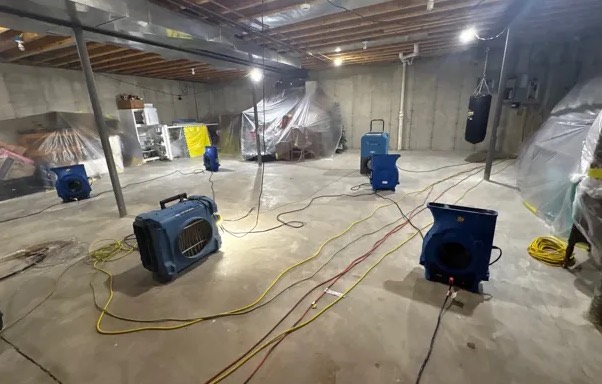
Reliable Basement Water Removal Near Great Falls, Virginia
In Great Falls, a finished basement or lower level takes more work after a flood. Carpet, pad, laminate, drywall and insulation all trap water against the concrete and framing.
A single storm or burst pipe in Great Falls can flood a basement. Local water damage pros serve Great Falls and nearby Lowes Island, Reston and Cascades, with help available around the clock.
The Basement Water Removal Process in Great Falls
Basement Drying Services
Drying plans for basements account for cool air and thick concrete, which hold moisture longer than upper floors.
Basement Floor Water Damage
Flooring that buckled or swelled is removed. Tile and sealed concrete can often be cleaned and dried in place.
Sump Pump Failure Water Cleanup
Cleanup after a sump failure includes drying the area around the pit and noting whether the pump, switch or power was the cause.
Basement Wall Drying
Concrete and block walls dry with directed airflow and dehumidification, which pull water out of the masonry.
Basement Moisture Inspection
Moisture meters and thermal cameras check walls, floors and the slab for water that is not visible, including behind finished walls.
Common Symptoms Requiring Basement Water Removal
Standing Water in Basement
Standing water anywhere on the basement floor needs to be pumped out before it soaks the walls.
Mold or Mildew
Dark spots on drywall, framing or stored items mean the area has stayed wet for days.
Water Stains on Walls or Ceiling
Stains on lower walls or the ceiling below a bathroom or kitchen point to a leak.
Musty Odors and Mold Smell
A musty or damp smell in the basement points to wet materials hidden somewhere in the space.
How Basement Water Removal Works in Great Falls
Step 1: Emergency Water Extraction
Power is made safe, then pumps and extractors remove standing water from the basement floor.
Step 2: Detailed Moisture Inspection
Meters map wet walls, framing and slab areas, including behind finished walls and under flooring.
Step 3: Drying and Dehumidification
Air movers and large dehumidifiers run continuously, with readings checked every day.
Step 4: Final Verification and Monitoring
Readings are compared to dry areas, and equipment is removed only when the basement tests dry.
Common Causes of Basement Water Damage in Great Falls
Window Well Leaks and Drainage
Window wells without drains or covers fill with rain and leak through the windows.
Sump Pump Malfunction or Power Loss
A sump pump that fails mechanically or loses power during a storm lets groundwater rise.
High Water Table and Hydrostatic Pressure
A high water table presses groundwater against the slab and walls, forcing it inside.
Plumbing Leaks or Pipe Bursts
Supply lines, drain pipes and water heaters in the basement can leak or burst onto the floor.
House and Business Basement Water Removal in Great Falls
Residential Basement Water Removal
Finished basements used as bedrooms or family rooms need careful moisture checks behind walls and under flooring, since that is where water hides.
Commercial Basement Water Removal
Businesses with below-grade storage need wet inventory moved out and documented. Drying is planned around daily operations wherever possible.
Basement Water Removal vs. DIY: When to Call the Pros
Fans by themselves can spread damp basement air through the rest of the house. Basement drying needs dehumidifiers that pull moisture out of both the air and the concrete.
Basement Water Removal Cost in Great Falls, VA
Waterproofing and drainage work are separate costs. In Great Falls, they may be needed to stop the next flood.
Water Depth and Volume
Deeper water takes more pumping time and usually means more materials got wet.
Contamination Level
Sewage or dirty water needs protective gear, removal and disinfection, which costs more.
Access and Complexity
Narrow stairs, low ceilings and crowded storage areas make the work slower and longer.
Does Insurance Cover Basement Water Removal?
Photos, moisture readings and drying logs from local water damage pros help support an insurance claim for basement water damage in Great Falls.
The Value of Professional Basement Water Removal
Post-Service Moisture Verification
Final readings are recorded before equipment leaves, so you know the basement is dry.
Advanced Drying Equipment
Pumps, extractors and large dehumidifiers remove water much faster than household tools.
Focus on Drying Outcomes
Drying continues until readings are normal, not just until surfaces look dry.
Emergency Basement Water Removal Available 24/7
Standing water in a basement soaks walls and floors by the hour. Call (703) 215-4551 for basement water removal in Great Falls at any time, day or night.
Call Now (703) 215-4551Basement Water Removal Serving Great Falls and Surroundings
Need basement water removal outside Great Falls? Service also covers Lowes Island, Reston and Cascades, including emergency help during storms.
- Basement Water Removal in Lowes Island
- Basement Water Removal in Reston
- Basement Water Removal in Cascades
- Basement Water Removal in Herndon
- Basement Water Removal in Sterling
- Basement Water Removal in McLean
- Basement Water Removal in Oakton
- Basement Water Removal in Potomac
- Emergency Damage Restoration in 22066
- Storm Damage Restoration in 22066
- Water Damage Restoration in 22066
- Water Extraction Service in 22066
- Water Leak Detection in 22066
- Water Removal Service in 22066
Answers to Top Basement Water Removal Queries
Can I dry my basement myself with fans?
Fans help with surface water, but walls and concrete need dehumidifiers and readings to dry fully.
What causes basement floor water damage?
Storm seepage, burst pipes, appliance leaks, foundation cracks and sewer backups through floor drains are the usual sources.
Can wet drywall in a basement be saved?
Sometimes, if the water was clean and removed quickly. Soaked or contaminated drywall is cut out above the water line.
Does basement flood cleanup include mold prevention?
Fast drying is the main prevention. Wood and concrete that stayed wet can be treated with an antimicrobial once dry.
What equipment is used for basement water extraction?
Submersible pumps, extractors, wet vacs, air movers, large dehumidifiers and moisture meters to confirm drying.