Great Falls, VA · Fairfax County
Clean Water Extraction (Category 1) in Great Falls, VAHard Surface Floor Drying & Emergency Water Mitigation
Clean Water Extraction (Category 1) in Great Falls covers standing water pump out, wet carpet water extraction and hard surface floor drying.
Answered 24/7
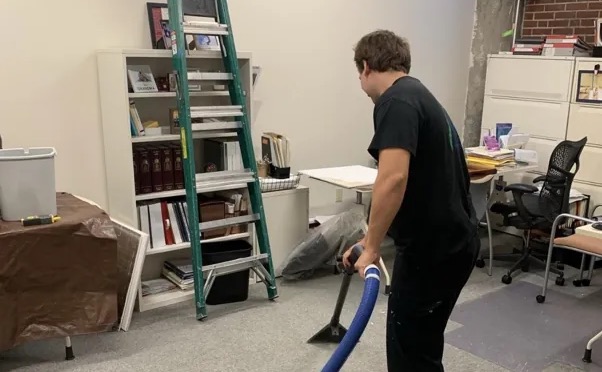
Clean Water Extraction (Category 1) Solutions in Fairfax County
Clean Water Extraction (Category 1) in Great Falls usually starts with a pump out or extraction, depending on how deep the water is. Then moisture meters check walls, subfloors and cabinets for water that soaked in.
Homeowners in Great Falls can call (703) 215-4551 day or night when clean water floods a room. Service also covers Lowes Island, Reston and Cascades, with the same extraction and drying steps.
The Clean Water Extraction (Category 1) Process for Properties in Great Falls
Hard Surface Floor Drying
Hardwood is dried slowly with dehumidifiers and, where needed, drying mats that pull water from the boards without cracking them.
Emergency Water Mitigation
Mitigation is everything done to stop the damage from growing: shutting off the water, extracting it, moving belongings and starting drying.
Standing Water Pump Out
Standing water from a supply line or appliance is pumped out with submersible pumps when it is more than shallow, then floors are extracted.
Appliance Leak Water Cleanup
A washer, dishwasher, refrigerator line or water heater leak is shut off, and the clean water is extracted from the floor and under nearby cabinets.
Wet Carpet Water Extraction
Clean water in carpet is pressed out with weighted extraction tools. Because the water is clean, the carpet can often be dried and kept.
How to Know You Need Clean Water Extraction (Category 1) in Great Falls
Water Around Appliances
Water around the washer, water heater, dishwasher or refrigerator points to a failing hose or fitting.
Musty Odors After a Leak
A musty smell a day or two after a leak means water is still trapped in carpet, walls or subfloor.
Wet Carpets or Rugs
Carpets and rugs that are wet or squish underfoot are holding water in the pad below.
Sudden Indoor Flooding
Water spreading across a floor suddenly means a supply line or appliance has failed and needs shutting off.
How Clean Water Extraction (Category 1) Works in Great Falls
Step 1: Leak Identification and Control
The leaking line, appliance or fixture is found and shut off so no more water enters.
Step 2: Water Removal Process
Water is removed quickly while it is still clean, which keeps more materials salvageable.
Step 3: Dehumidification
Dehumidifiers pull moisture from the air so walls, floors and cabinets can dry evenly.
Step 4: Post-Drying Documentation
Photos, readings and drying logs are provided for your records and insurer.
Typical Origins of Category 1 Water in Great Falls
AC Condensate Drain Clogs
A clogged AC condensate drain overflows clean condensate water into closets and ceilings.
Plumbing Fixture Leaks
Faucets, valves and fixtures develop slow leaks that wet cabinets and floors over time.
Supply Line Breaks
Toilet, faucet and appliance supply lines split or loosen and release water under pressure.
Burst or Leaking Pipes
Pipes can crack or burst from age, pressure or cold, releasing clean water into the house.
Local Clean Water Extraction (Category 1) for All Properties in Great Falls
Residential Clean Water Extraction (Category 1)
Families can usually stay home during drying, using unaffected rooms. The pros explain where equipment will go and how long it will run.
Commercial Clean Water Extraction (Category 1)
Restaurants and medical offices need clean water extracted quickly and floors dried so they meet the cleanliness rules for those spaces.
Professional Clean Water Extraction (Category 1) or DIY in Great Falls?
You can shut off the water, move belongings, set furniture on blocks and take photos. Extracting water from carpet pad and drying walls needs professional equipment.
Factors in Clean Water Extraction (Category 1) Pricing for Great Falls, VA
In Great Falls, clean water jobs usually cost less than dirty water jobs, because more carpet, drywall and flooring can be dried in place.
Drying Time Duration
Drying usually takes a few days, and each extra day adds equipment time to the total.
Equipment Needs
The number of air movers, dehumidifiers and pumps needed, and for how long, drives much of the cost.
Affected Square Footage
More square feet of wet flooring and walls means more extraction and more drying equipment.
Does Insurance Cover Clean Water Extraction (Category 1)?
The failed appliance or pipe itself is often not covered, even when the water damage is. Ask your adjuster how your policy treats each.
The Value of Professional Clean Water Extraction (Category 1) in Great Falls
Industry Drying Standards
Drying follows industry water damage standards, with readings taken at every visit.
24/7 Emergency Response
Help is available day or night, so clean water is extracted before it soaks deeper or gets dirtier.
Drying Plan
Drying follows a set plan based on readings, with equipment moved as each area dries.
24/7 Emergency Clean Water Extraction (Category 1) in Great Falls, VA
Clean water soaks into floors and walls fast and can turn dirty if left. Call (703) 215-4551 for clean water extraction (category 1) in Great Falls at any hour.
Call Now (703) 215-4551Clean Water Extraction (Category 1) Coverage in Great Falls, Lowes Island, Reston and Cascades
Clean water extraction also covers homes and businesses in Lowes Island, Reston and Cascades, close to Great Falls, day or night.
- Clean Water Extraction (Category 1) in Lowes Island
- Clean Water Extraction (Category 1) in Reston
- Clean Water Extraction (Category 1) in Cascades
- Clean Water Extraction (Category 1) in Herndon
- Clean Water Extraction (Category 1) in Sterling
- Clean Water Extraction (Category 1) in McLean
- Clean Water Extraction (Category 1) in Oakton
- Clean Water Extraction (Category 1) in Potomac
- Emergency Damage Restoration in 22066
- Storm Damage Restoration in 22066
- Water Damage Restoration in 22066
- Water Extraction Service in 22066
- Water Leak Detection in 22066
- Water Removal Service in 22066
Clean Water Extraction (Category 1) FAQs for Great Falls Homeowners
What should I do while waiting for water removal help?
Shut off the water, turn off power to wet areas if safe, move valuables and take photos of the damage.
What happens after the water is pumped out?
Carpet and floors are extracted, walls and subfloors are checked with meters and drying equipment runs until readings are normal.
What is involved in hard surface floor drying?
Extracting water from tile, concrete or wood, checking grout and seams for water underneath and drying with air movers and dehumidifiers.
What methods are used for water behind walls?
Small holes or removed baseboards let air into the cavity, wet insulation is removed and the wall is dried until readings are normal.
Are air movers and dehumidifiers always necessary?
For anything beyond a small surface spill, yes. The pros dry the water that soaked into carpet, walls and subfloors.