Trusted by 10,000+ Homeowners Across the USA
HVAC Leak Water Removal in Pasadena, MD
- 24/7 Emergency Response — We're Always Ready
- IICRC Certified & Licensed Professionals
- Direct Insurance Billing — No Hassle Claims
- Advanced Equipment & Proven Techniques
- 100% Satisfaction Guaranteed

HVAC Leak Water Removal in Pasadena, MD: Protect Your Home from Summer Storms
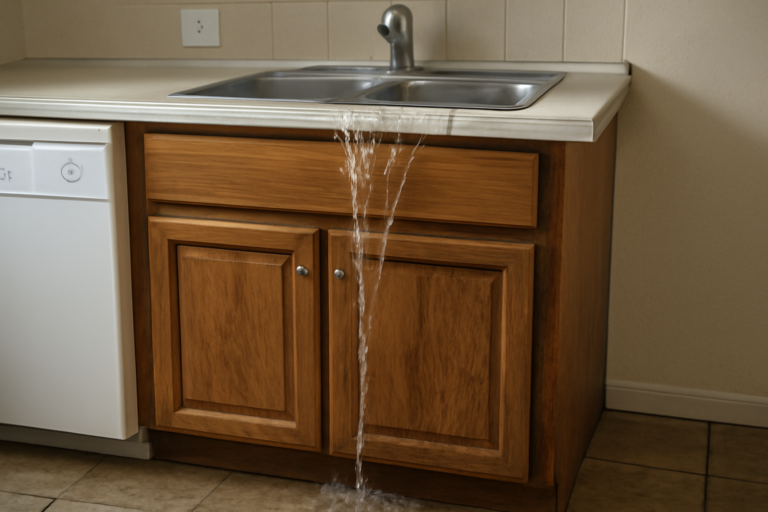
Summer storms in Pasadena, MD can bring heavy rain and strong winds, causing HVAC leaks that lead to water damage. Your air conditioning unit is more than just a cooling system; it's a vital part of your home's infrastructure. When it malfunctions, water can seep into your walls, ceilings, and floors, causing costly repairs and potential health hazards. Our team has seen it happen too many times: homeowners left to deal with the aftermath of a leaky HVAC system, wondering how to prevent it from happening again. Don't let water damage ruin your summer.
Our team has helped over 165 homeowners in the area with their water damage restoration needs, and we're confident in our ability to provide top-notch service for your HVAC leak water removal. We're locally owned and operated, so you can trust that we'll treat your home like our own. Our technicians are IICRC certified and will work tirelessly to get your home back to normal as quickly as possible. We're not just a restoration company; we're your neighbors.
- Fast response times: Our team will be at your door within 60 minutes to assess the damage and start the restoration process.
- Advanced equipment: We use the latest technology to detect and extract water from your home, reducing the risk of further damage.
- Expert technicians: Our IICRC-certified technicians have years of experience dealing with HVAC leak water removal and will work with you every step of the way.
How Our Team Handles HVAC Leak Water Removal
When you call us for HVAC leak water removal, our team will spring into action. We'll begin by assessing the damage and identifying the source of the leak. From there, we'll develop a customized plan to extract the water and dry out your home. Our technicians will use advanced equipment to detect and extract water, and we'll work with you to reduce the risk of further damage. We'll get your home back to normal in no time.
Step 1: Assessment and Planning
Our team will arrive at your home and assess the damage caused by the HVAC leak. We'll identify the source of the leak and develop a customized plan to extract the water and dry out your home. We'll get to the root of the problem.
Step 2: Water Extraction
Our technicians will use advanced equipment to extract the water from your home. We'll use powerful pumps and wet vacuums to remove as much water as possible, reducing the risk of further damage. We'll get the water out fast.
Step 3: Drying and Dehumidification
After the water has been extracted, our team will focus on drying and dehumidifying your home. We'll use specialized equipment to remove excess moisture from the air and dry out your walls, ceilings, and floors. We'll get your home dry and comfortable.
Step 4: Cleaning and Sanitizing
Once your home is dry, our team will focus on cleaning and sanitizing the affected areas. We'll use specialized cleaning solutions to remove any dirt, grime, or bacteria that may have been left behind by the water. We'll get your home clean and safe.
Step 5: Final Inspection and Touch-ups
Our team will conduct a final inspection of your home to ensure that all damage has been repaired and that your home is safe and secure. We'll make any necessary touch-ups to ensure that your home is back to normal. We'll leave your home better than we found it.
Don't wait until it's too late, call us today to schedule your HVAC leak water removal service. Our team is ready to help you get your home back to normal. We'll be there in 60 minutes or less.

Warning Signs You Need HVAC Leak Water Removal
Don't wait until you see signs of water damage to call us for help. Here are some warning signs that you need HVAC leak water removal:
Musty Odors That Won't Go Away
Are you noticing a musty or mildewy smell in your home that just won't go away? This could be a sign that you have a hidden water leak somewhere in your home. Don't ignore the smell, it could be a sign of bigger problems.
Warped or Buckled Flooring
Have you noticed that your flooring is warped or buckled in certain areas? This could be a sign that water has seeped into your floors and is causing damage. Don't wait until it's too late, call us today.
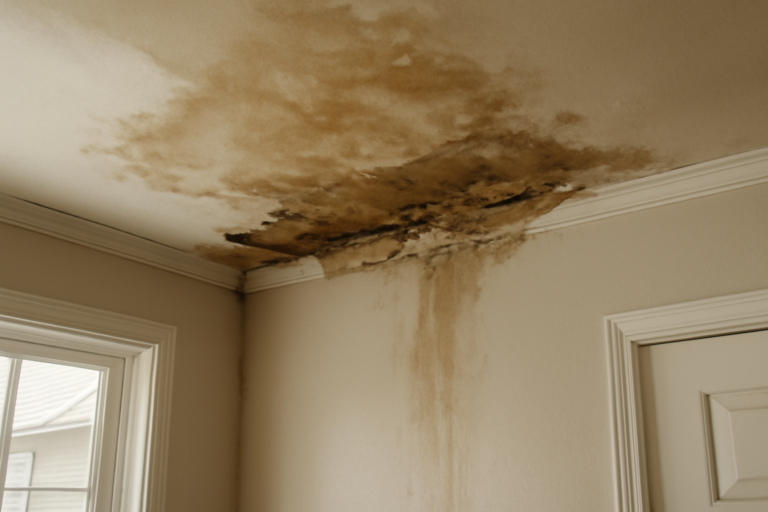
Water Stains on Your Ceiling or Walls
Have you noticed water stains on your ceiling or walls? This could be a sign that you have a leak somewhere in your home. Don't ignore the stains, they could be a sign of bigger problems.
Unexplained Mold or Mildew Growth
Have you noticed mold or mildew growing in areas of your home where it shouldn't be? This could be a sign that you have a hidden water leak somewhere in your home. Don't ignore the mold, it could be a sign of bigger problems.
Increased Utility Bills
Have you noticed an increase in your utility bills? This could be a sign that your HVAC system is working harder than it needs to, which could be causing water damage. Don't ignore the increase, it could be a sign of bigger problems.
HVAC Leak Water Removal vs. DIY: When To Call a Professional
| Situation | DIY? | Call a Pro? | Why |
|---|---|---|---|
| You're comfortable with DIY projects and have the necessary equipment to extract water and dry out your home. | Yes | No | You'll save money by not hiring a professional. |
| You're unsure of the extent of the damage or don't know how to properly dry out your home. | No | Yes | You risk further damage and potential health hazards by not hiring a professional. |
| You have a large area of water damage or a complex issue that needs specialized equipment. | No | Yes | You'll need professional help to get the job done correctly and efficiently. |
| You're short on time or have a busy schedule. | No | Yes | We'll handle the job for you, so you can focus on other things. |
| You're unsure of the best course of action or don't know who to call. | No | Yes | We'll provide expert guidance and help you get your home back to normal. |
Don't wait until it's too late, call us today to schedule your HVAC leak water removal service. Our team is ready to help you get your home back to normal. We'll be there in 60 minutes or less.
HVAC Leak Water Removal Cost In Pasadena, MD
The cost of HVAC leak water removal in Pasadena, MD can vary depending on the severity of the damage, the size of the affected area, and local conditions. Our team will provide you with a free estimate and work with you to develop a customized plan to fit your budget. We'll get your home back to normal without breaking the bank.
| Service | Typical Price Range | What Affects Cost |
|---|---|---|
| Water Extraction | $500 - $2,500 | Size of affected area, severity of damage, and equipment needed. |
| Drying and Dehumidification | $1,000 - $5,000 | Size of affected area, severity of damage, and equipment needed. |
| Cleaning and Sanitizing | $500 - $2,000 | Size of affected area, severity of damage, and equipment needed. |
| Final Inspection and Touch-ups | $500 - $1,000 | Size of affected area, severity of damage, and equipment needed. |
| Emergency Service Fee | $100 - $500 | Time of day, day of the week, and severity of damage. |
Exact pricing will depend on an on-site assessment and a free estimate. Don't wait until it's too late, call us today to schedule your HVAC leak water removal service. We'll be there in 60 minutes or less.
Service Areas Near Pasadena, MD
We serve the following areas: Annapolis, Arnold, Baltimore, Bel Air, Bowie, Catonsville, Columbia, Crofton, Dundalk, Edgewater, Essex, Glen Burnie, Hanover, Harmans, Havre de Grace, Hunt Valley, Jessup, Linthicum, Lochearn, Millersville, Odenton, Pasadena, Parkville, Perry Hall, Randallstown, Savage, Severn, Severna Park, Towson, Westminster, White Marsh.
Common Questions About HVAC Leak Water Removal
What Causes HVAC Leaks?
HVAC leaks can be caused by a variety of factors, including clogged air filters, dirty condenser coils, and malfunctioning thermostats. Regular maintenance can help prevent leaks.
How Long Does HVAC Leak Water Removal Take?
The length of time it takes to complete HVAC leak water removal will depend on the severity of the damage and the size of the affected area. Our team will work with you to develop a customized plan to fit your schedule. We'll get your home back to normal as quickly as possible.
Is HVAC Leak Water Removal Covered by Insurance?
Some insurance policies may cover HVAC leak water removal, but it will depend on the specifics of your policy. We recommend checking with your insurance provider to see what is covered. We'll work with you to navigate the process.
How Do I Prevent HVAC Leaks?
Regular maintenance is key to preventing HVAC leaks. Make sure to change your air filter regularly, clean your condenser coils, and check your thermostat for proper function. Regular maintenance can help prevent costly repairs.
What Happens If I Don't Address the Leak?
If you don't address the leak, it can lead to further damage and potential health hazards. Water can seep into your walls, ceilings, and floors, causing costly repairs and creating an environment for mold and mildew to grow. Don't ignore the leak, call us today.
Check Our Other Relevant Services
Serving Pasadena, MD And Nearby Areas