Gaithersburg, MD · Montgomery County
Basement Water Removal in Gaithersburg, MDBasement Water Pump Out & Basement Dehumidification
After a burst pipe or storm, Basement Water Removal in Gaithersburg means basement water pump out, basement wall drying and basement drying services.
Answered 24/7
Basement Water Removal Solutions for Gaithersburg Homeowners
A basement that looks dry a day after a flood in Gaithersburg can still hold a lot of water in the slab, the bottom of the walls and under flooring. That hidden water causes the musty smell many basements have.
Homeowners in Gaithersburg can call (703) 215-4551 day or night when the basement is taking on water. Service also covers Germantown, Rockville and North Bethesda, with the same pumping and drying steps.
Comprehensive Basement Water Removal Solutions
Basement Water Pump Out
A pump-out removes standing water from the basement with submersible pumps, discharging it outside and away from the foundation.
Basement Dehumidification
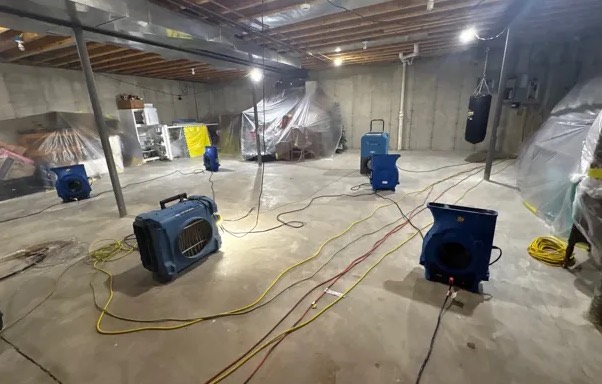
Large dehumidifiers pull moisture from basement air, which lets walls, framing and the slab release the water they absorbed.
Basement Wall Drying
Concrete and block walls dry with directed airflow and dehumidification, which pull water out of the masonry.
Emergency Basement Flooding
Emergency response starts with making power safe, stopping the source if possible and pumping out the water.
Sump Pump Failure Water Cleanup
When a sump pump stops, groundwater spreads across the floor. The water is pumped out and the floor and lower walls are extracted.
Common Symptoms Requiring Basement Water Removal
Sump Pump Failure or Overflow
A sump pit that is full, overflowing or has a pump that will not start means water is about to spread.
Warped or Buckling Flooring
Flooring that buckles, lifts or feels spongy has water trapped between it and the slab.
Efflorescence on Concrete Walls
White, powdery deposits on concrete walls mean water is passing through the masonry.
Water Stains on Walls or Ceiling
Stains on lower walls or the ceiling below a bathroom or kitchen point to a leak.
How Basement Water Removal Works in Gaithersburg
Step 1: Emergency Water Extraction
Power is made safe, then pumps and extractors remove standing water from the basement floor.
Step 2: Detailed Moisture Inspection
Meters map wet walls, framing and slab areas, including behind finished walls and under flooring.
Step 3: Drying and Dehumidification
Air movers and large dehumidifiers run continuously, with readings checked every day.
Step 4: Final Verification and Monitoring
Readings are compared to dry areas, and equipment is removed only when the basement tests dry.
Why Basements Flood in Gaithersburg
High Water Table and Hydrostatic Pressure
A high water table presses groundwater against the slab and walls, forcing it inside.
Sump Pump Malfunction or Power Loss
A sump pump that fails mechanically or loses power during a storm lets groundwater rise.
Foundation Cracks and Seepage
Cracks in foundation walls and the slab let groundwater seep in during wet weather.
Plumbing Leaks or Pipe Bursts
Supply lines, drain pipes and water heaters in the basement can leak or burst onto the floor.
House and Business Basement Water Removal in Gaithersburg
Residential Basement Water Removal
Finished basements used as bedrooms or family rooms need careful moisture checks behind walls and under flooring, since that is where water hides.
Commercial Basement Water Removal
Businesses with below-grade storage need wet inventory moved out and documented. Drying is planned around daily operations wherever possible.
When to Hire Local Pros for Basement Water Removal
Checking appliance hoses and extending downspouts away from the house are good DIY steps before storm season. Once the basement floods, call (703) 215-4551 for help.
What Influences the Price of Basement Water Removal
The cost of basement water removal in Gaithersburg depends on how deep the water is, what type of water it is and how much finished material has to come out.
Affected Materials
Finished walls, carpet and laminate take more removal work than bare concrete.
Additional Services
Antimicrobial treatment, contents cleaning and repairs after drying add to the cost.
Drying Time Required
Basements dry slowly, and each extra day of equipment adds to the total.
Does Insurance Cover Basement Water Removal?
Coverage for basement water removal depends on the water source and your policy. The pros document the damage and drying, and your insurer decides what is covered.
Why Choose Local Pros for Basement Water Removal in Gaithersburg
Focus on Drying Outcomes
Drying continues until readings are normal, not just until surfaces look dry.
Advanced Drying Equipment
Pumps, extractors and large dehumidifiers remove water much faster than household tools.
Industry Drying Standards
Water removal and drying follow industry water damage standards, with readings at every visit.
Emergency Basement Flood Response in Gaithersburg
If water is near outlets, the furnace or the electrical panel, stay out of it. Call (703) 215-4551 for help in Gaithersburg and wait for power to be made safe.
Call Now (703) 215-4551Basement Water Removal Serving Gaithersburg and Surroundings
Basement water removal also covers homes and buildings in Germantown, Rockville and North Bethesda, close to Gaithersburg, day or night.
- Basement Water Removal in Germantown
- Basement Water Removal in Rockville
- Basement Water Removal in North Bethesda
- Basement Water Removal in Potomac
- Basement Water Removal in Kensington
- Basement Water Removal in Bethesda
- Basement Water Removal in Great Falls
- Basement Water Removal in Silver Spring
- Emergency Damage Restoration in 20855
- Storm Damage Restoration in 20855
- Water Damage Restoration in 20855
- Water Extraction Service in 20855
- Water Leak Detection in 20855
- Water Removal Service in 20855
- Emergency Damage Restoration in 20877
- Storm Damage Restoration in 20877
Frequently Asked Basement Water Removal Questions
How does a basement moisture inspection work?
Moisture meters and thermal cameras check walls, floors and the slab, including behind finished walls and under flooring.
How is contaminated water handled in a basement?
With protective gear, containment, removal of porous materials and disinfection of hard surfaces before drying.
What causes basement floor water damage?
Storm seepage, burst pipes, appliance leaks, foundation cracks and sewer backups through floor drains are the usual sources.
What should I do right after basement flooding?
Make power safe, avoid sewage, move belongings above the water, take photos and call for water removal.
How is basement wall drying done?
Wet drywall is cut back, insulation removed and directed airflow and dehumidifiers dry the studs and masonry.